menu
stem muse
Designing mentorship with intention
Overview
Mentorship was growing — but the system wasn’t.
STEM Muse is a mentorship initiative supporting women in STEM through professional guidance, networking, and career development.
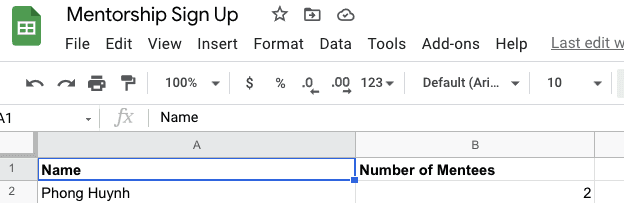
As participation grew, mentorship was still being coordinated manually through spreadsheets and disconnected communication tools. Matching mentors and mentees became difficult to scale, and users struggled to build consistent, long-term relationships.
Responsibilities
UX Research · Interaction Design · Product Strategy · User Flows · Prototyping · Visual Design
Background
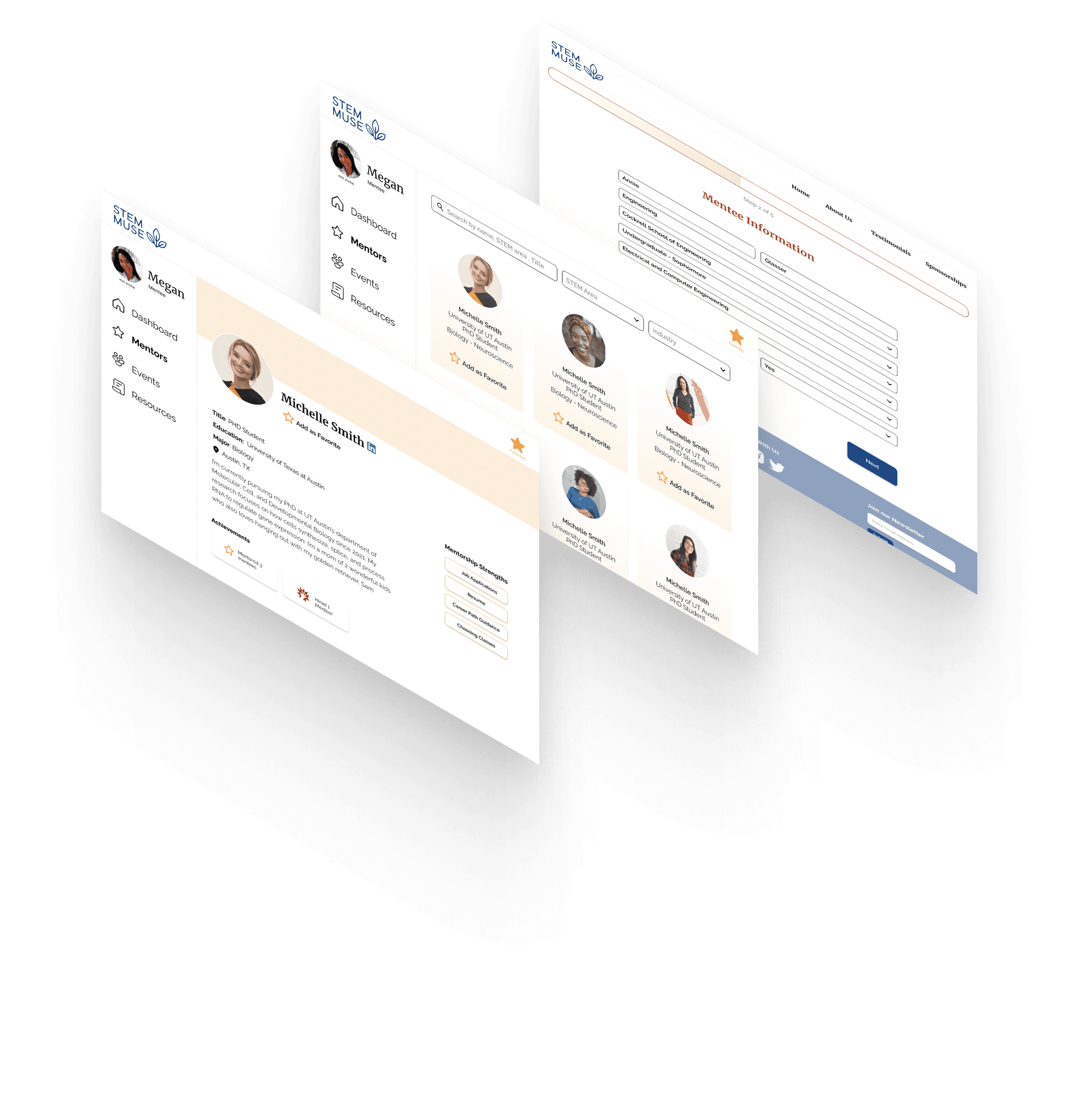
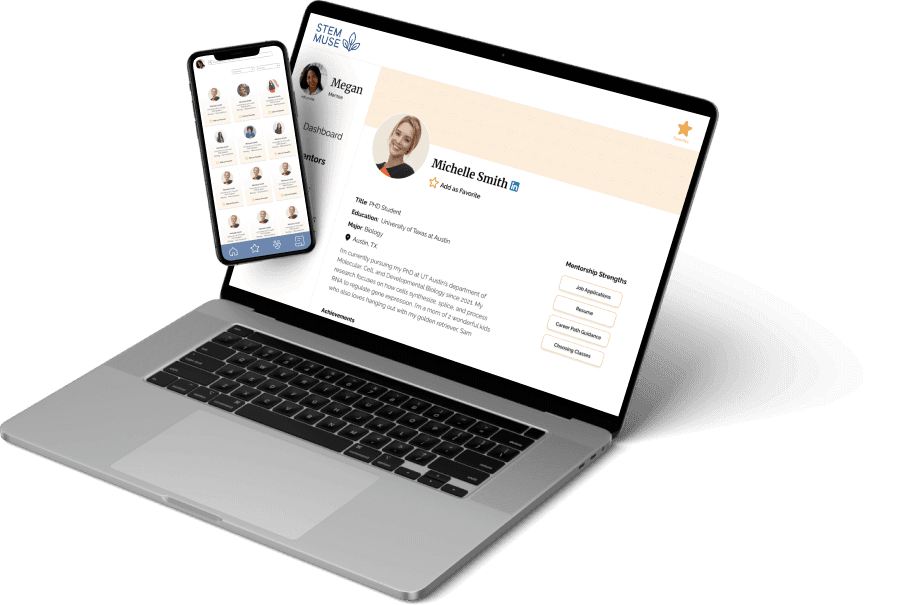
We designed a responsive mentorship platform that enables mentees to discover, rank, and match with mentors while supporting communication, scheduling, and long-term engagement tracking.
The Problem
Scaling mentorship beyond spreadsheets
As STEM Muse grew, mentor-mentee relationships became increasingly difficult to manage manually. Mentees struggled to discover compatible mentors, communication was fragmented, and the organization lacked a centralized system to support long-term mentorship engagement and sponsorship tracking.
Opportunity
How might we design a mentorship platform that helps mentees find compatible mentors while giving STEM Muse a scalable system for communication, scheduling, and long-term relationship management?
Business Goal
STEM Muse wants to scale their mentor-matching program through mentor sponsorships that will allow companies to reach potential talent (mentees)
Problems
Mentees are not matching with mentors at a high enough success rate
STEM Muse does not have a digital platform to track data for sponsors
Understanding the experience
Understanding mentorship from both sides
Over the course of a week, we interviewed 30 participants including mentors, mentees, faculty members, PhD candidates, and undergraduate students from UT Austin.
We wanted to understand:
how mentorship relationships formed
where friction appeared
what users actually valued in the experience
User interviews
Rather than designing for a generic “user,” we identified distinct mentorship behaviors, goals, and pain points that shaped how matching, communication, and scheduling were approached throughout the platform.
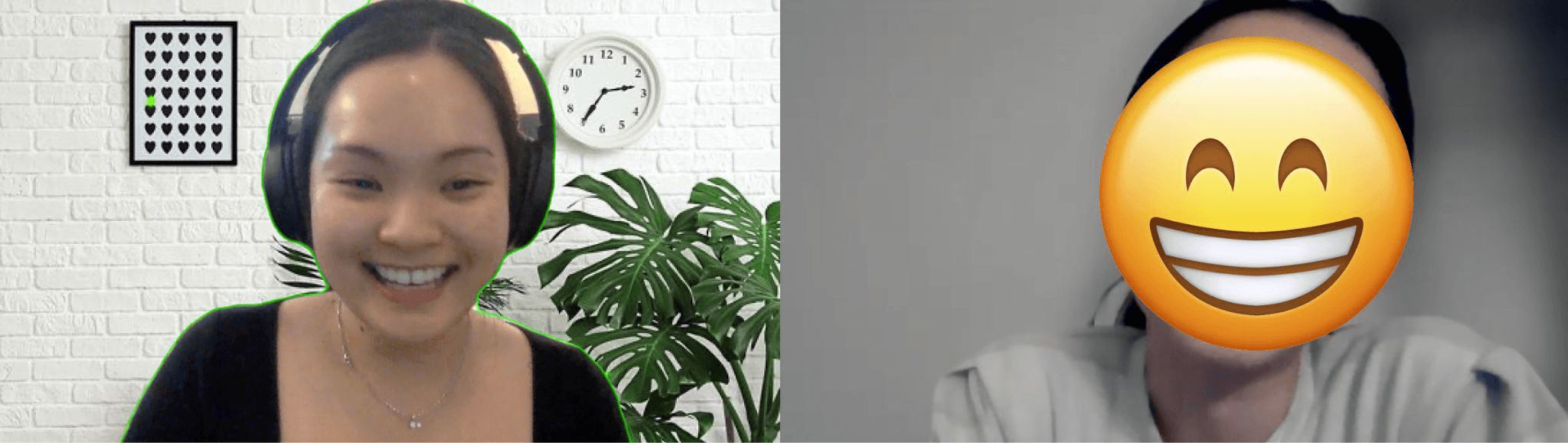
"Having keywords on TYPES of mentoring about the mentor would make it easier to choose."
"I would love to know more about my mentor outside of career coaching, to help build a personal relationship."
"I use google Calendar, and syncing events in one place makes it easier to plan since I can see everything."
What we learned:
Discoverability mattered. Mentees wanted more visibility into mentors before committing to a match.
Compatibility mattered more than availability. Users wanted mentorship aligned with career goals, interests, and communication styles.
Existing workflows created fragmented experiences. Scheduling, communication, and mentorship tracking relied on disconnected tools and manual coordination.
Mentors needed lower-friction onboarding. Long application flows and unclear expectations discouraged participation.
Personas
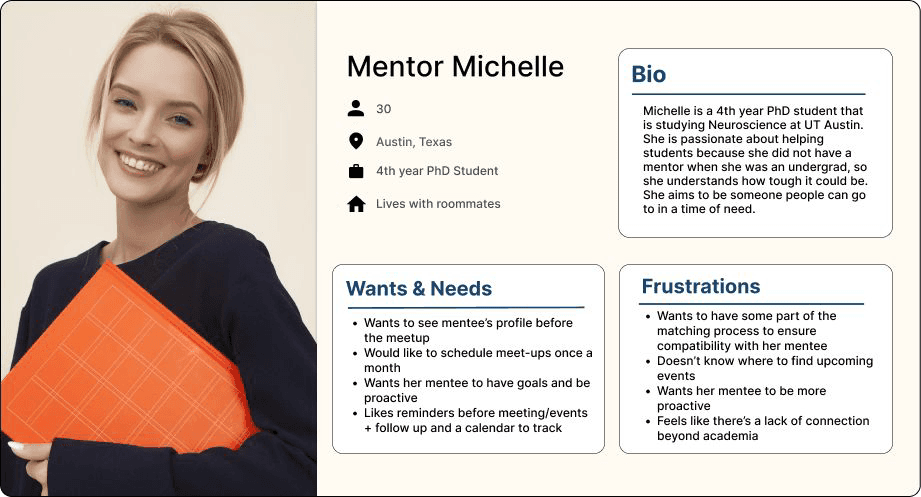
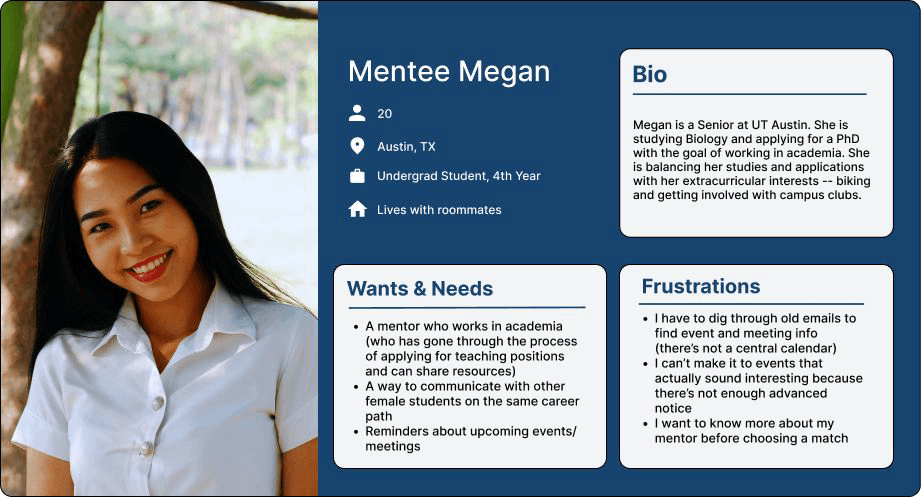
To better understand the needs and motivations of both mentors and mentees, we synthesized our research into key user archetypes that guided product and interaction decisions.
Competitive analysis
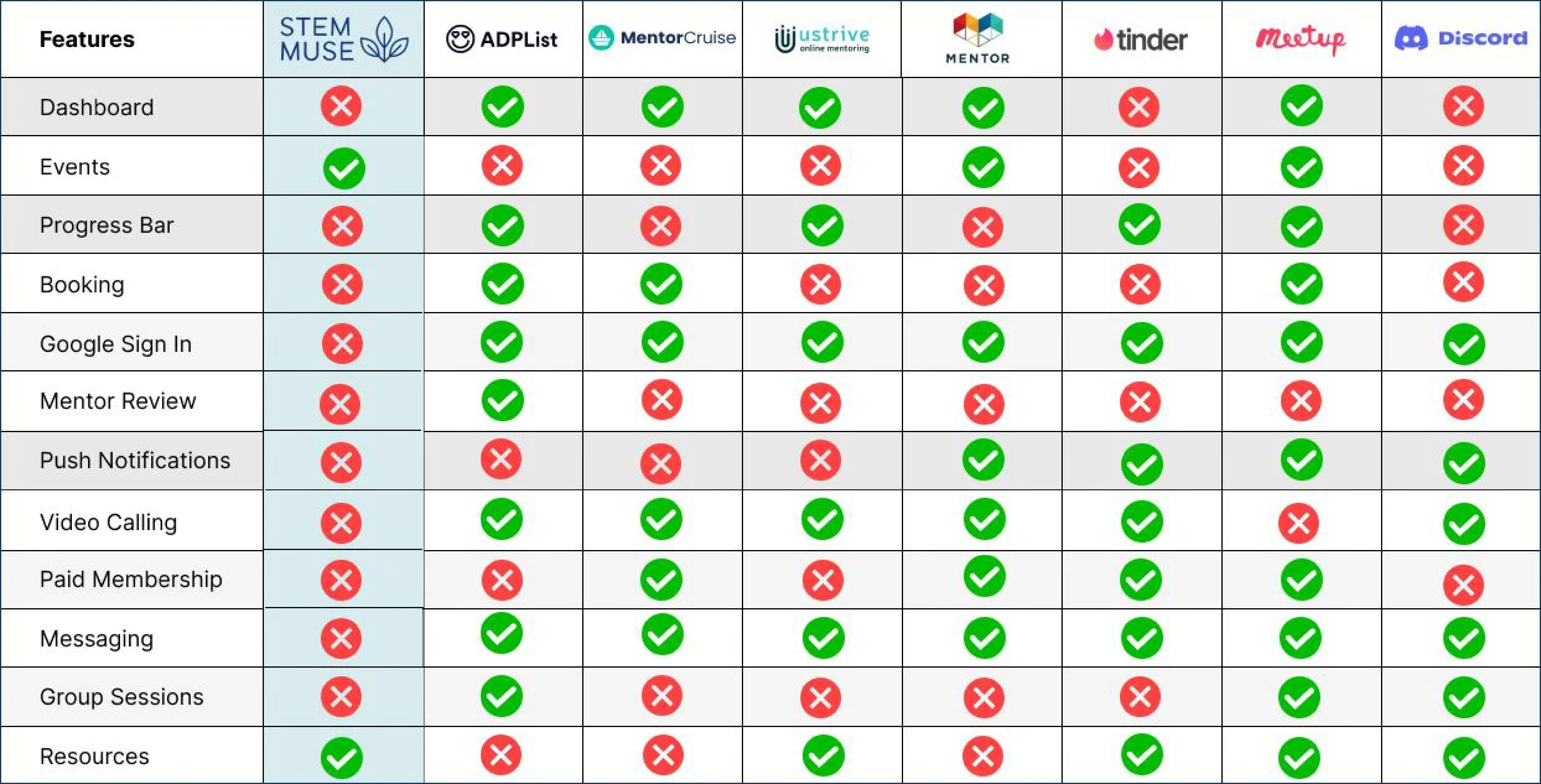
We also conducted a C&C analysis to identify gaps and understand the current mentorship landscape.
Defining the problem
Users need a better way to discover and connect with mentors because current systems lack visibility, compatibility, and structure.
Exploration
Rather than immediately designing polished screens, we explored different interaction models around mentor discovery, visibility, and relationship management.
The challenge wasn't simply matching users—it was helping them feel confident and supported throughout the mentorship journey.
Concepting
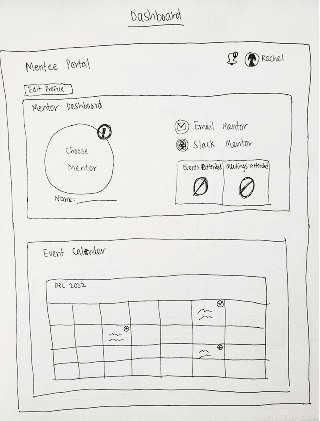
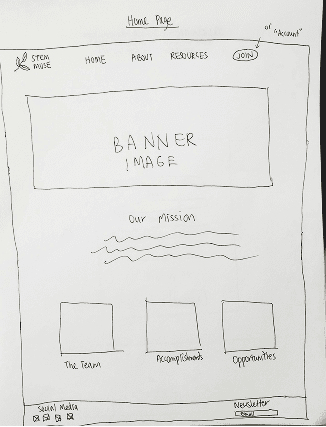
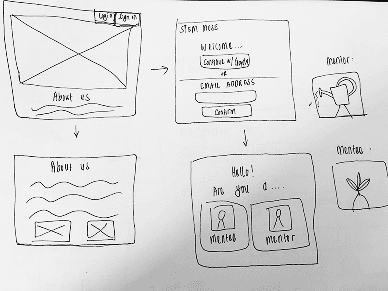
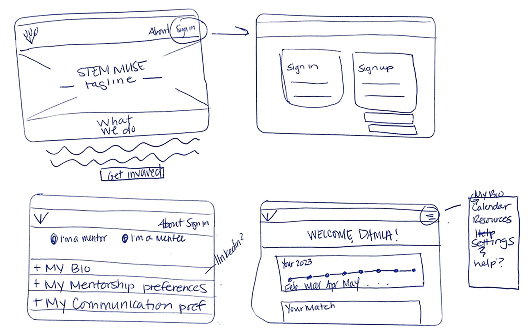
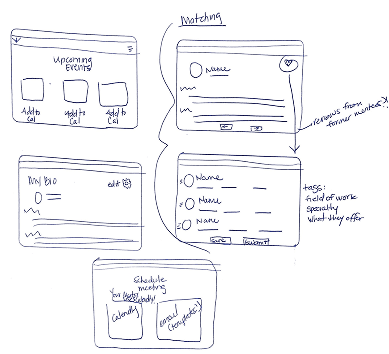
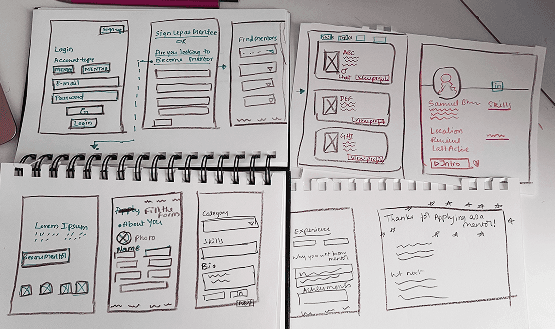
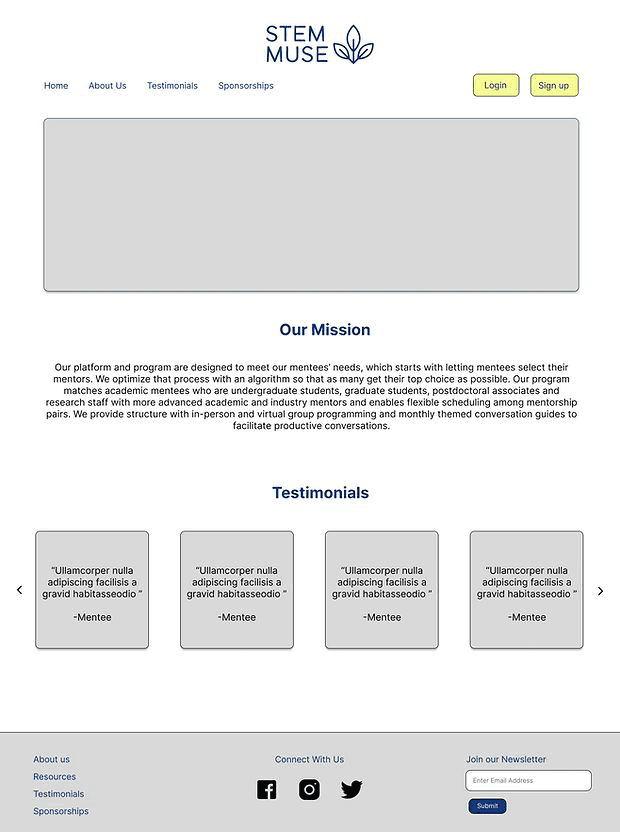
Homepage
Created a wireframe for the homepage based on the stakeholder's needs and wants.
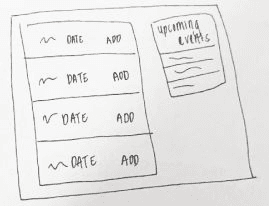
Calendar
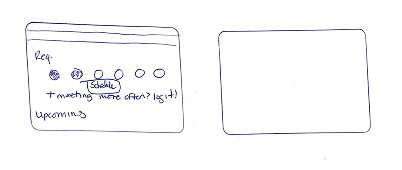
Instead of using Google Calendar, all their events will be synced using this site.
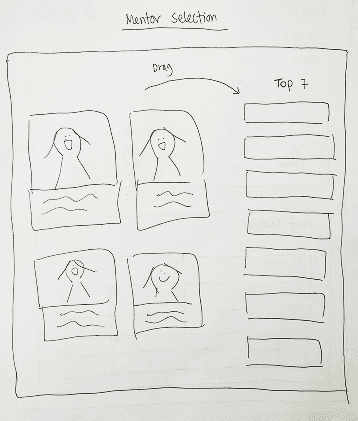
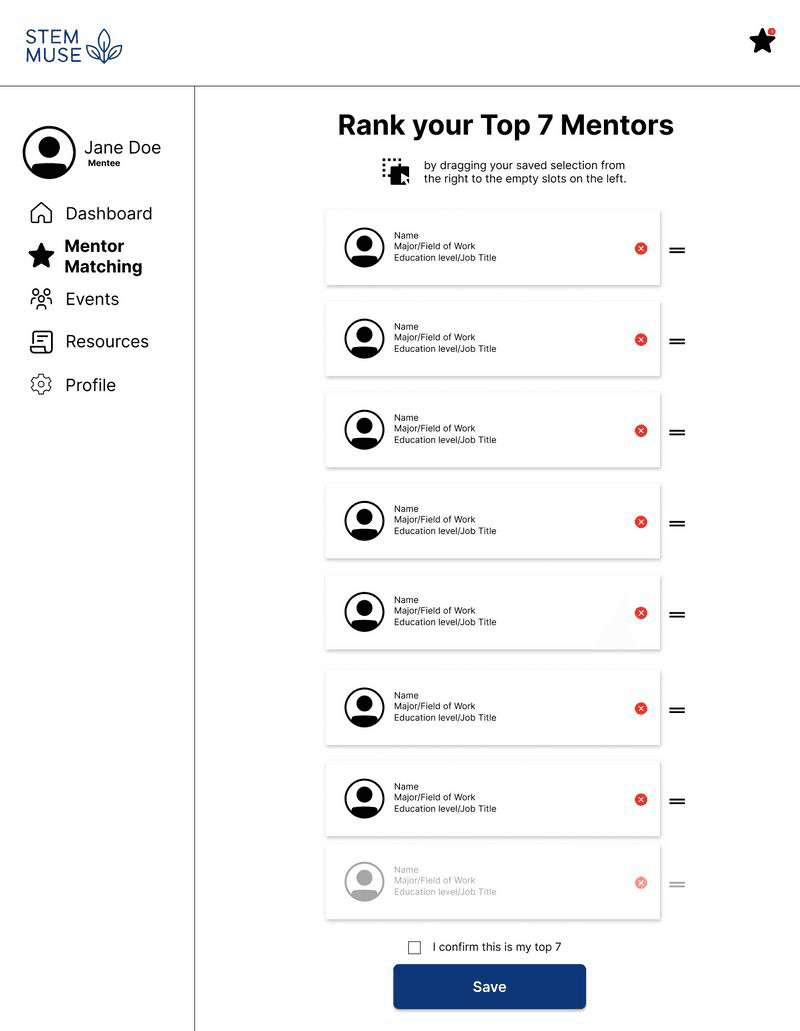
Matchmaking
To make it more user-friendly, we implemented a drag-and-drop method to help mentees visualize their selection.
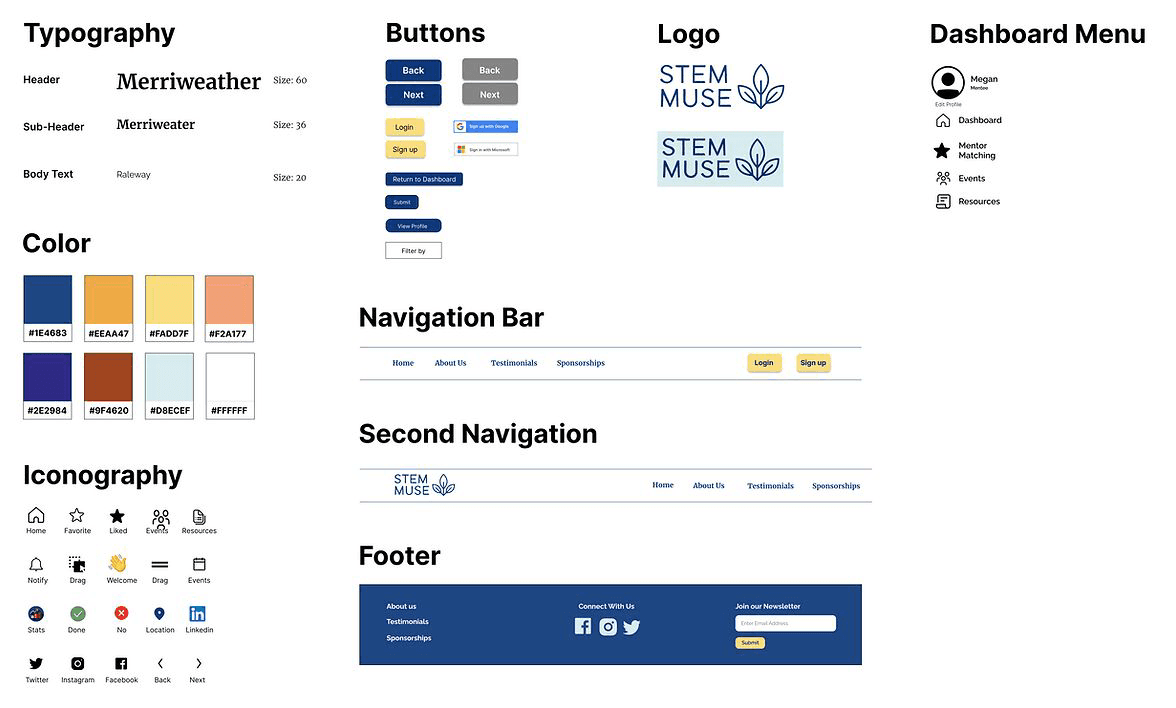
UI Components
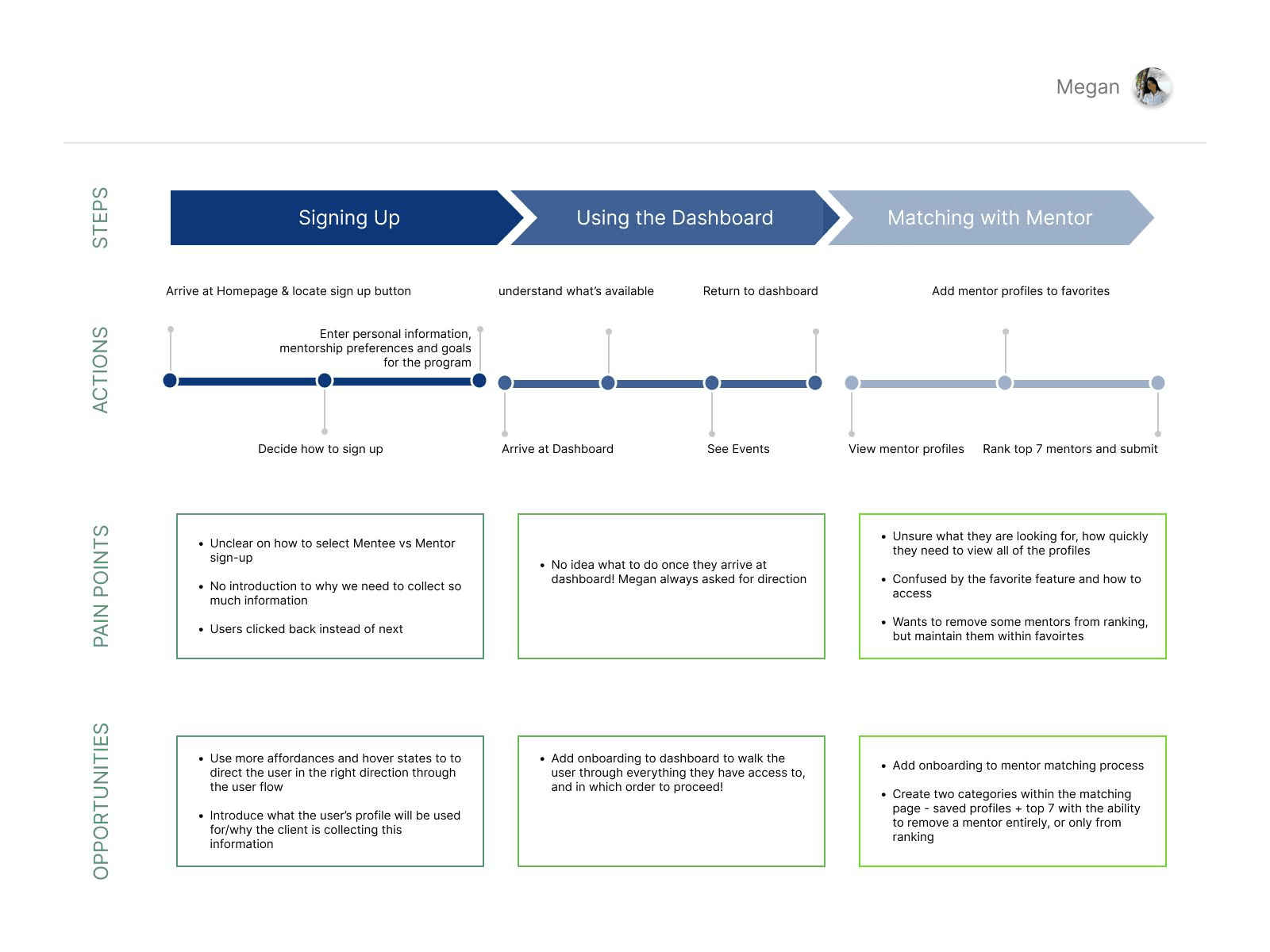
Usability Testing
The Solution
Moving from assignment to agency
Originally, mentorship paring relied on manual assignment on Google Sheets.
Through research, we realized users wanted more ownership over the matching process itself. Instead of having a third person decide who their best match was, we redesigned the experience by putting the power in their own hands through discovery, filtering, and preference ranking.
That shift transformed STEM Muse from a coordination tool into a more intentional mentorship ecosystem.